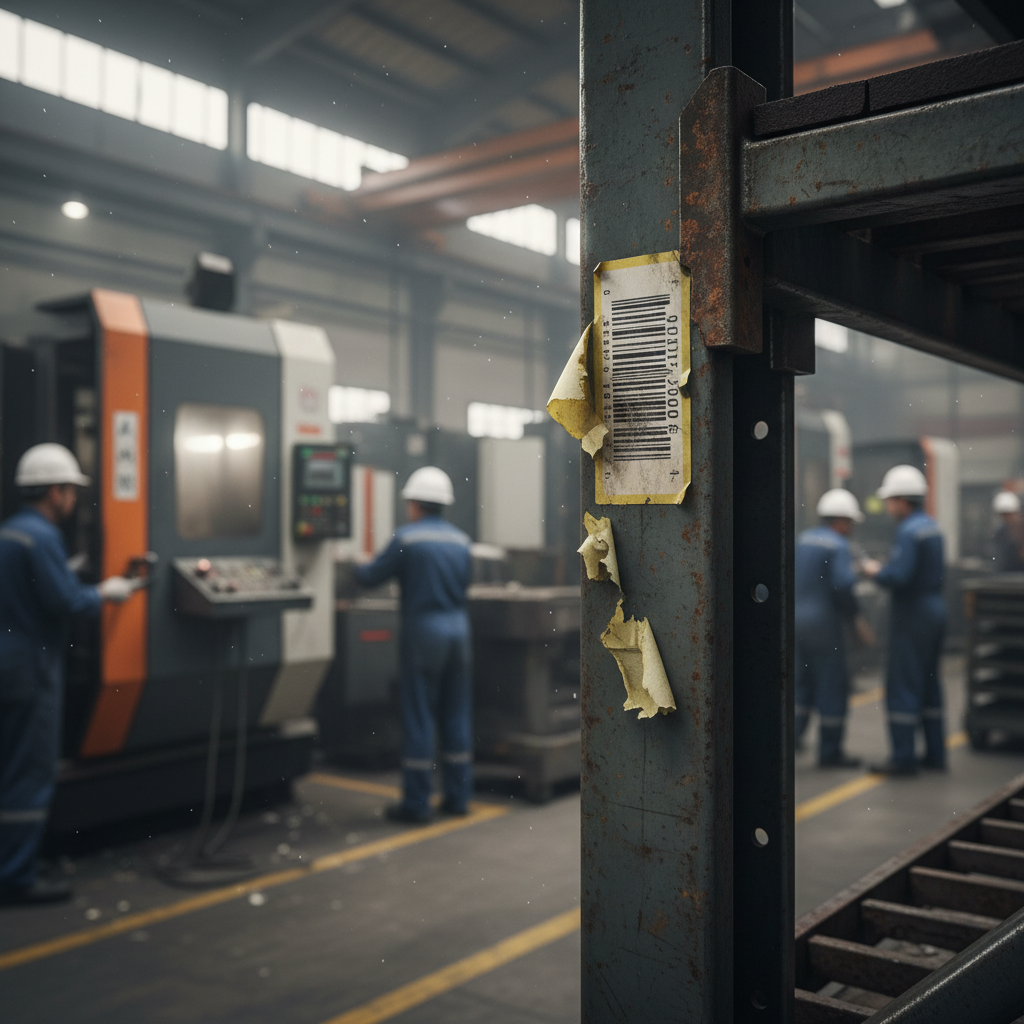
In the world of manufacturing and distribution, a label isn't just a piece of paper. It's a critical tool for tracking, managing inventory, ensuring safety, and keeping operations flowing smoothly. When a label fails, it’s not just a minor inconvenience, it can bring a whole line to a halt or worse, lead to misidentification, shipping errors, or compliance headaches. We've talked to countless plant managers and operations leads who've experienced this firsthand.
So, why do labels fail? It's a question we hear a lot, and often, the answer isn't what people expect. It's rarely about the printer alone. More often, it comes down to a mismatch between the label's construction and the demanding environment it's meant to survive.
The Harsh Realities of Industrial Environments
Industrial settings are tough on labels. Unlike a product label on a store shelf, your facility's labels face constant challenges:
* Temperature Extremes: From freezer storage (some labels need to apply as low as -10°F, as we know) to high-heat processing areas, labels must withstand significant temperature swings without peeling, cracking, or fading.
* Moisture and Condensation: Wet environments, washdown areas, or even just high humidity can wreak havoc on adhesives not designed for moisture exposure. Labels can lift, bubble, or disintegrate.
* Abrasion and Friction: Labels on pallets, totes, or frequently handled items are constantly rubbed, bumped, and scraped. A barcode that's perfect at dispatch can become unreadable after transit due to friction.
* Chemical Exposure: Cleaning agents, industrial solvents, oils, and other chemicals can degrade label materials and adhesives, making them unreadable or causing them to detach.
* Dust and Dirt: A label's surface must be clean for proper adhesion. Dust or oil on a substrate before application can significantly reduce stickiness, leading to premature failure.
When these factors combine, a "standard" label often won't cut it.
It's All About Construction: Substrate, Adhesive, and Print
The performance of an industrial label hinges on three main components:
- The Substrate (What the Label is Made Of): This is the face material of the label, whether it's paper, synthetic film (like polypropylene or polyester), or even metallic. Paper is cost-effective but less durable. Synthetic films offer much greater resistance to moisture, chemicals, and tearing. For very high-wear areas, you might even consider specialized materials that are inherently more robust.
- The Adhesive (What Makes it Stick): This is often the unsung hero, or the silent culprit, in label failure. Different adhesives are formulated for different surfaces and conditions.
* Removable Adhesives: Used when labels need to be peeled off cleanly.
* Freezer-Grade Adhesives: Crucial for cold storage, these labels are designed to apply and hold in frigid temperatures without becoming brittle.
* Specialty Adhesives: Some adhesives are formulated to stick to difficult surfaces like oily metals or to resist specific chemicals.
- The Print Method and Inks: The way your label is printed and the type of ink or ribbon used also contribute to its durability. Thermal transfer labels, using a ribbon, offer excellent print permanence resistant to smudging and chemicals, especially with wax-resin or full resin ribbons. Direct thermal labels, while convenient, are more susceptible to heat, light, and abrasion over time.
Choosing the right combination ensures your label can withstand the daily grind of your operations.
The Cost of Label Failure
A label peeling off isn't just an aesthetic issue. It has real, quantifiable costs:
* Operational Delays: Unreadable barcodes mean manual data entry, slowing down receiving, picking, packing, and shipping processes.
* Inventory Inaccuracies: Lost labels can lead to miscounted stock, misplacing items, and ultimately, incorrect inventory records.
* Product Recalls or Rework: In food and beverage or other regulated industries, label errors can trigger costly recalls or require extensive rework to re-label products.
* Compliance Fines: Failing to meet labeling standards for safety, product information, or regulatory compliance can result in hefty penalties.
* Lost Productivity: Employees spend valuable time troubleshooting label issues instead of focusing on their core tasks.
It’s clear that investing in the right labels upfront is a small price to pay to avoid these larger consequences.
Finding the Right Fit for Your Facility
So, how do you make sure your labels stick and stay readable? It starts with understanding your specific needs. Think about:
* The Surface: What is the label sticking to? (e.g., metal, plastic, cardboard, glass, painted rack, freezer-grade materials)
* The Environment: What conditions will the label endure? (e.g., extreme temperatures, moisture, chemicals, abrasion, outdoor exposure)
* The Duration: How long does the label need to last? (e.g., a few days, a few months, several years)
* Regulatory Requirements: Are there specific standards (like UL or CSA certifications for components, or food-grade safety) that apply?
At CIS, we've helped countless manufacturers and distributors navigate these choices. We know that every plant has its own unique challenges, and a one-size-fits-all approach rarely works. We keep a wide range of materials in stock, ready to ship, and our team is always available to talk through your specific application.
If you're tired of peeling labels and unreadable barcodes, it might be time to take a closer look at your stock thermal transfer labels. Getting the right label for the job can make a world of difference in your operational efficiency and bottom line.
What's the toughest environment you've seen a label fail in?