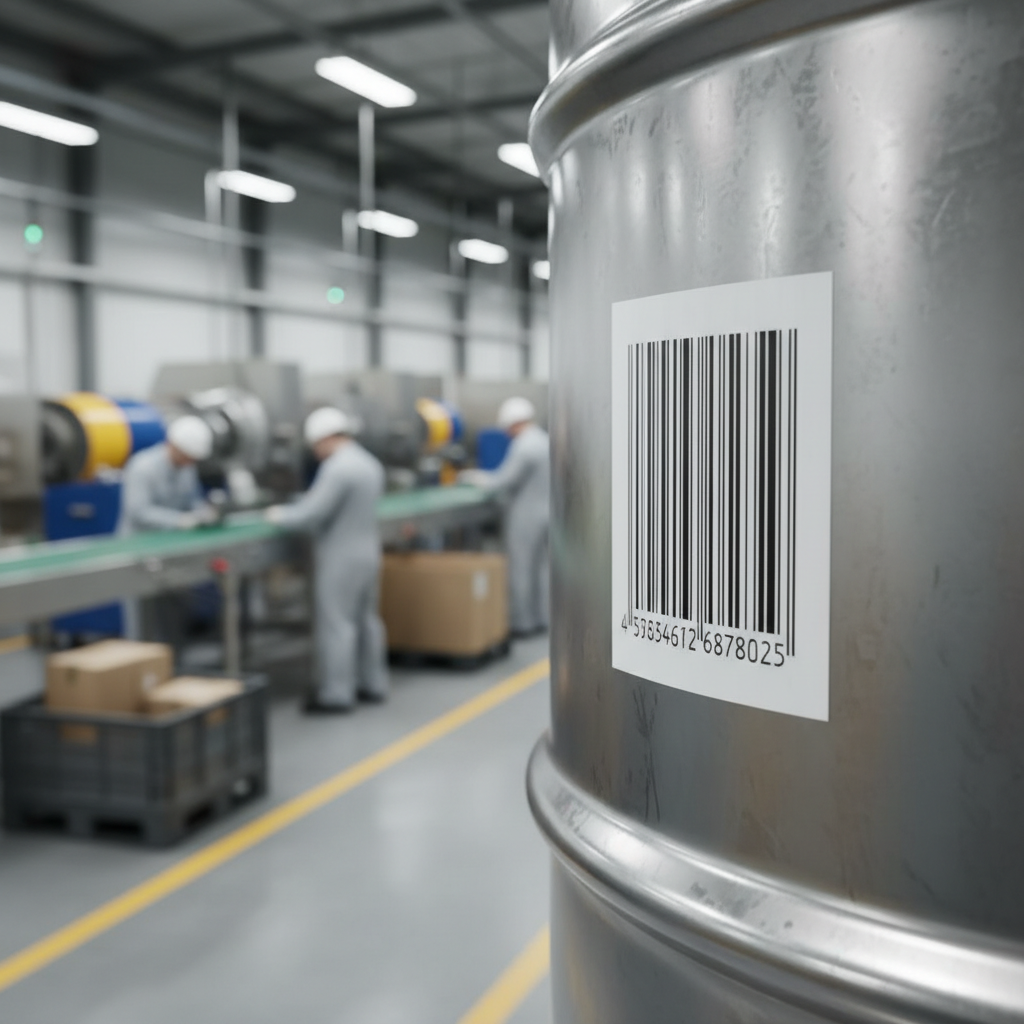
In manufacturing plants and busy warehouses, a label is far more than just a sticker. It's a critical piece of your operation, carrying vital information for tracking inventory, ensuring safety, maintaining compliance, and streamlining logistics. When a label fails, it doesn't just look bad. It can lead to misidentified products, missed scans, production slowdowns, compliance issues, and even safety hazards. We've seen firsthand how often operations leaders struggle with labels that peel, fade, or simply don't stick.
The good news is that most label failures aren't mysterious. They often boil down to a few common culprits, and understanding them is the first step toward a labeling system you can trust.
The Environment Is Harsher Than You Think
Industrial environments are tough. Labels face constant challenges that a standard office label would never survive. Think about it:
* Temperature Extremes: From freezer storage down to -10F (CIS-4) to high-heat production areas, labels can shrink, crack, or lose adhesion when subjected to drastic temperature swings.
* Moisture and Chemicals: Exposure to humidity, water, oils, solvents, and cleaning agents can degrade label materials, smudge ink, or dissolve adhesives. A chemical drum label, for example, needs to maintain legibility through spills and harsh conditions.
* Abrasion and Handling: Labels on pallets, totes, or products moving through production lines and shipping docks are constantly bumped, rubbed, and scraped. This can make barcodes unreadable or tear the label entirely.
* UV Light: Prolonged exposure to sunlight or certain artificial lighting can cause inks to fade, making critical information illegible over time.
These conditions demand labels designed with specific material and adhesive properties to withstand the stress.
Surface Prep and Selection Matter
A label is only as good as its adhesive and the surface it's sticking to. Many adhesion problems begin before the label even touches the item.
* Dirty or Textured Surfaces: Dust, oil, grease, moisture, or even invisible residues on containers (as noted in research) can prevent an adhesive from forming a strong bond. Always ensure surfaces are clean and dry.
* Material Compatibility: Not all adhesives work equally well on all surfaces. What sticks perfectly to cardboard might fail on a powder-coated metal rack, a curved plastic bottle, or a shrink-wrapped pallet. Some containers have unique coatings or treatments that can actively repel adhesives.
* Curved or Irregular Shapes: Applying a rigid label to a tightly curved surface creates stress points that can lead to peeling, especially at the edges. Labels need to be flexible enough to conform.
Choosing the right label material and adhesive for your specific application and surface type is critical. This often involves testing different options in your actual operational environment before full production.
Storage and Application Are Overlooked
It's easy to focus on the label itself, but how you store and apply them plays a huge role in performance.
* Improper Storage: Labels are sensitive. Storing rolls in extreme temperatures, high humidity, or direct sunlight can prematurely degrade the adhesive, dry out the material, or warp the rolls. Research suggests many label problems start in the warehouse, not on the press.
* Printer Settings and Ribbon Choice: For thermal labels, using the wrong thermal ribbon (wax, wax-resin, or full resin) for your label material, or incorrect print head temperature and pressure, can result in poor print quality that smudges or fades too easily. This renders the critical data unreadable. (CIS-4 mentions various ribbon types for different needs.)
* Application Method: Whether manual or automated, consistent and firm application without trapping air bubbles is key for optimal adhesion.
Paying attention to these details can prevent common failures.
Variable Data and Compliance Demands
Today's industrial labels often contain variable data: batch numbers, serial numbers, expiration dates, and sometimes even RFID information for tracking (CIS-2). They also often need to meet specific regulatory standards, like UL or CSA certification (CIS-3).
* Data Legibility: If variable data isn't printed clearly or smudges, traceability is compromised, leading to major issues in recall situations or inventory management.
* Material for Compliance: Certain applications, especially those requiring UL or CSA certification, demand very specific pre-approved materials, inks, and varnishes (CIS-3). Using a non-compliant label could lead to failed audits.
* Fast Changes: With faster turnaround needs, shorter runs, and frequent changes to variable data, the label material needs to perform consistently across various digital and hybrid printing platforms.
Ensuring your labels can handle variable data reliably and meet all compliance requirements is a non-negotiable aspect of modern industrial labeling.
Finding the Right Partner
Navigating the complexities of industrial labeling can feel overwhelming. That's why having a trusted partner makes all the difference. At Country Innovation & Supply, we pride ourselves on being that human connection you can rely on. We don't just sell labels; we help you find the right solution for your specific challenges, from freezer-grade rack labels (CIS-4) to UL-certified product labels (CIS-3) and everything in between.
If you're dealing with labels that aren't performing, don't wait for a bigger problem. Take a look at our Stock Thermal Transfer Labels at https://innovationandsupply.com/products/stock-thermal-transfer-labels or reach out. We're here to help you get it right the first time, ensuring your operations run smoothly and efficiently.
What's the most unusual place you've needed a label to stick and stay put?