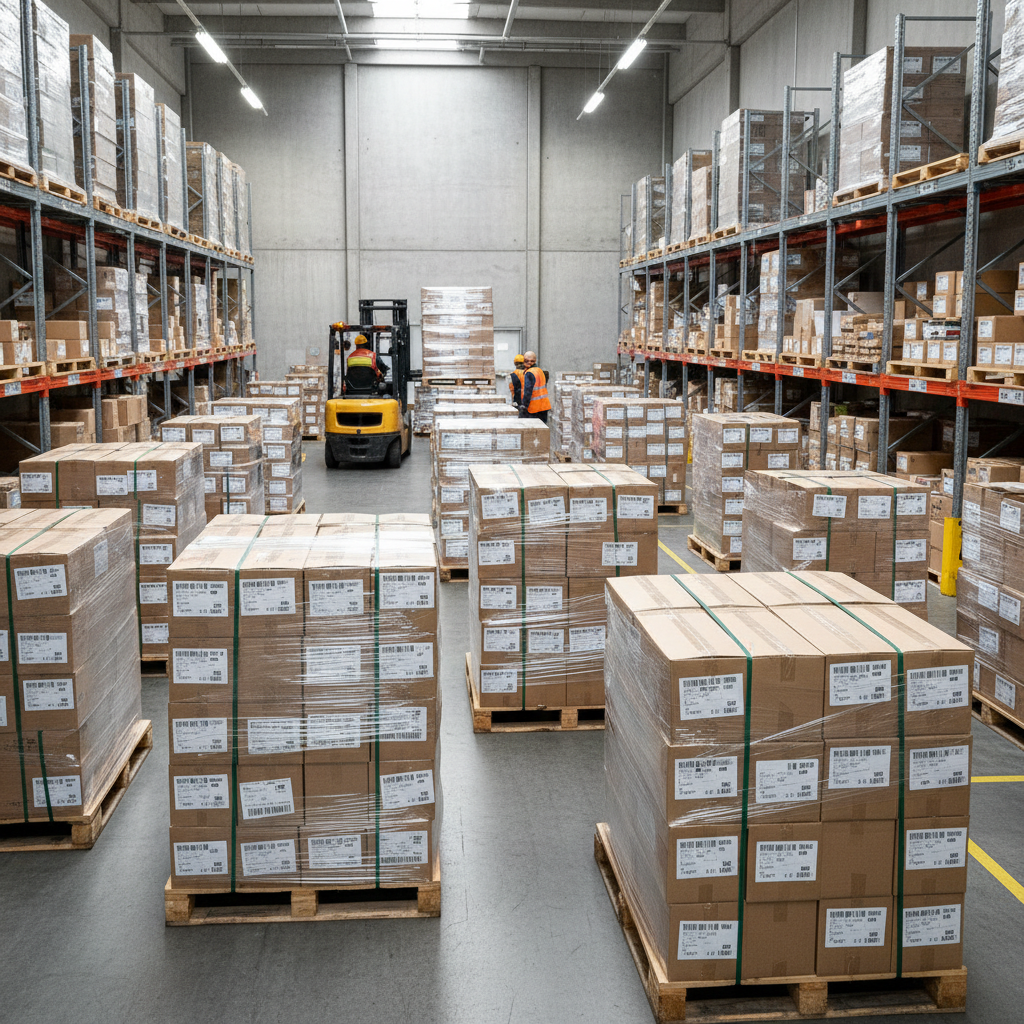
Supplying products to big-box retailers like Walmart, Target, or Kroger is a fantastic opportunity for growth, but it comes with a strict set of rules. For retail operations, vendor compliance managers, and shipping supervisors, one of the most persistent challenges is ensuring every label and barcode meets the retailer's precise specifications. A mislabeled carton or a non-compliant barcode isn't just an inconvenience, it can lead to costly chargebacks, delayed shipments, and even jeopardize future partnerships.
The truth is, these retailers deal with millions of products from thousands of vendors. They rely on accurate, scannable labels to keep their vast supply chains moving efficiently, manage inventory, and fulfill customer orders, whether those are in-store or through e-commerce. When your labels don't meet their standards, it creates friction in their system, and they will pass that cost back to you. Understanding these demands and proactively addressing them is key to a smooth and profitable relationship.
The High Stakes of Retailer Label Compliance
Think about the sheer volume of goods moving through a major retailer's distribution centers and stores. Every single item, every carton, every pallet needs to be identified quickly and accurately. That's why big-box retailers have comprehensive vendor guides that detail everything from packaging dimensions to label placement and barcode symbology.
These rules aren't arbitrary, they're designed to maintain efficiency. For example, some retailers might specify a particular barcode type, like GS1-128, for outer cartons to carry specific data beyond just the product ID, such as lot numbers or expiration dates. Others might have stringent requirements for label size, material durability, or even the exact shade of white for a direct thermal label. Skipping these details, or using a label that's just "close enough," can lead to scanners failing to read, manual re-labeling by the retailer, or worse, products being rejected at the receiving dock.
Common Barcoding and Labeling Pitfalls
Even experienced teams can fall prey to common compliance issues. Here are a few to watch out for:
* Incorrect Barcode Symbology or Data: This is a big one. Using a UPC where a GS1-128 is required, or including incorrect data within the barcode's structure, will halt your shipment. Retailers often use these advanced barcodes for real-time inventory management and tracking.
* Poor Print Quality: Faded, smudged, or low-resolution barcodes are unreadable. This often stems from using the wrong ribbon for your thermal transfer printer, not maintaining printheads, or trying to stretch ribbon usage too thin.
* Improper Label Placement: Labels need to be visible and scannable without needing to move other items. Retailers often specify exact locations on cartons or pallets to optimize their scanning processes.
* Inadequate Label Material: If your labels tear easily, peel off in transit, or get damaged by humidity or temperature fluctuations, they won't make it to the retail shelf. Your label material needs to withstand the entire supply chain journey.
* Outdated Specifications: Retailer compliance guides are living documents. What was acceptable last year might not be today. Regularly checking for updates is crucial.
Each of these issues can trigger a chargeback, which is essentially a fine for non-compliance. These can quickly add up, eating into your profit margins and straining your relationship with the retailer.
Proactive Strategies for Seamless Compliance
So, how do you navigate this complex landscape without headaches? It starts with a proactive, detailed approach.
- Deep Dive into Vendor Guides: This is your bible. Assign someone to thoroughly read and understand every compliance document provided by each retailer you supply. Pay special attention to sections on labeling, barcoding, and packaging. Create a checklist for each retailer.
- Invest in the Right Technology: Your labeling system needs to be robust and accurate. This includes high-quality thermal transfer or direct thermal printers, appropriate ribbons for your labels, and software that can generate compliant barcodes. For situations requiring variable data, like lot numbers or expiration dates, ensure your system can handle it dynamically.
- Source Quality Labels and Ribbons: This might seem obvious, but using cheap, low-grade labels or ribbons is a false economy. Quality labels ensure barcodes remain scannable and adhere properly throughout the logistics chain. Different applications require different label materials and ribbon types for optimal performance.
- Implement Quality Control Checks: Before any shipment leaves your dock, have a dedicated check. This could involve scanning every barcode with a quality verification tool, visually inspecting label placement, and confirming all required information is present and accurate.
- Build a Relationship with a Trusted Label Partner: This is where a responsive, human-first supplier can make a real difference. Instead of guessing, you can lean on their expertise. They can help you select the right label materials and ribbons for specific retailer requirements, ensure your barcodes meet symbology standards, and even advise on specific compliance nuances. If you need custom labels designed to meet stringent specifications, having a partner who understands the intricacies of digital and flexographic printing, and can turn around orders quickly, is invaluable.
For consumer brands shipping to major retailers, having compliant labels isn't just about avoiding penalties, it's about being a reliable partner and protecting your brand's reputation. When your labels are consistently accurate, your products move smoothly through the supply chain, reaching shelves and customers without delay.
If you're looking for guidance on selecting the right materials for your specific retailer compliance needs, or need to stock up on quality thermal labels and ribbons, our team can help. We have a wide range of industrial labels designed for demanding environments, and we pride ourselves on being a dependable partner. You can explore our industrial labels at https://innovationandsupply.com/products/industrial-labels.
Do you have a specific big-box retailer's labeling guide that has proven particularly challenging to master?