Every continuous improvement manager knows the sinking feeling that can happen at the end of a Kaizen event. Your cross-functional team spent three days walking the floor, mapping value streams, eliminating unnecessary operator travel, and standardizing a messy process. You calculated hundreds of recovered labor minutes across the shift. Yet when you present the results, finance asks a blunt question: "Where does this show up on the ledger?"
If those saved minutes do not directly reduce scheduled overtime, eliminate temporary staffing invoices, or allow you to produce more billable units with existing headcount, accounting often categorizes them as soft savings. To an operations leader, freed-up time is valuable capacity. To a controller, it is unproven value until an expense line actually drops.
Bridging this gap requires lean leaders to look beyond generalized time studies. When you pair workflow improvements with direct reductions in consumable waste, tooling wear, and maintenance spend, you create physical operational wins that both the plant manager and the finance department can celebrate.
Why Finance Struggles with Soft Savings Math
The divide between operations and accounting usually comes down to how capacity is realized. When a standard work project shaves twenty seconds off a packing step or five minutes off a morning setup routine, that time is typically absorbed back into the shift. Operators use it to catch their breath, clean their workstations, or handle routine material replenishment.
Unless that saved time directly converts into increased finished goods throughput or an immediate drop in payroll, finance will not count it as a hard budget reduction. In many organizations, continuous improvement programs lose momentum not because the lean principles are flawed, but because the reported dollar figures feel theoretical to executive leadership.
To build trust across departments, lean and continuous improvement teams are increasingly focusing on projects that pair process flow improvements with hard cost reductions: expenses that literally disappear from purchasing invoices the following month.
Finding Hard Spend Hiding in Everyday Facility Consumables
When looking for tangible expenses to cut, many operations leaders look at major capital equipment first. However, significant recurring waste often hides in plain sight within everyday facility supplies and upkeep routines.
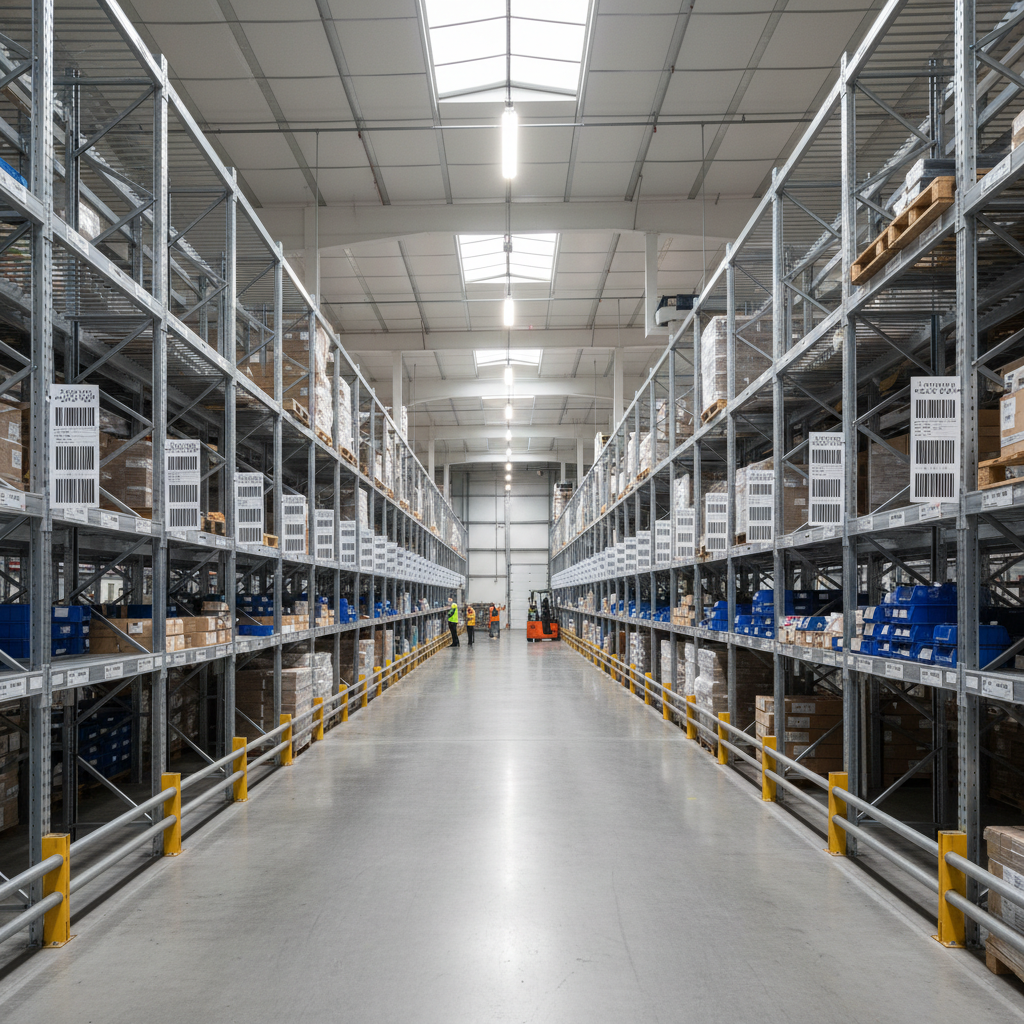
Consider how a distribution center or manufacturing warehouse handles location identification. During a re-slotting initiative or seasonal layout shift, teams frequently spend thousands of dollars on heavy magnetic labels (such as .030 or .060 inch magnetic stock) simply because they want the flexibility to move locations without destroying rack beams. Alternatively, facilities purchase standard adhesive labels, apply them directly to painted steel, and then spend hundreds of maintenance hours using heat guns and razor scrapers to peel them off during the next reset.
Both approaches generate direct, recurring expenses:
- High unit costs for heavy-duty magnetic label stock.
- Replacement costs for scraping tools and chemical residue removers.
- Maintenance budgets spent repainting beams scored and rusted by metal scrapers.
- Replacement label rolls ordered after barcodes get smudged during application.
These are not soft savings or theoretical labor projections. They are hard operating expenses that appear on monthly vendor statements. When continuous improvement teams eliminate these recurring material costs, finance sees the drop immediately.
Physical Upgrades That Deliver Auditable Reductions
Making a lean project deliver measurable bottom-line value often comes down to selecting durable, long-term materials that stop the cycle of recurring replacement.
One clear example is rack beam and storage bin protection. Rather than budgeting for expensive magnets or accepting the labor cost of scraping old adhesive, operations can install permanent overlays like CleanBeam or CleanBin. These protective cover strips apply directly over old, scarred beam surfaces or plastic storage totes and match the existing rack color. Once installed, standard warehouse location labels can be applied directly on top and peeled away later with zero residue and zero tools.
By eliminating the need for premium magnetic materials and stopping scrape-out labor entirely, operations leaders turn a routine 5S housekeeping project into a permanent material cost reduction.
A similar opportunity exists on the warehouse floor. Barcode placards placed in high-traffic staging lanes or bulk storage areas frequently get chewed up by pallet jack wheels and forklift tires within weeks. Continuous improvement teams often find that maintenance or inventory clerks are constantly re-printing and re-taping floor tags. Installing permanent floor protection systems, such as industrial Label Armor frames in half-letter or letter sizes, shields barcodes beneath heavy-gauge protective shields. The recurring spend on replacement labels, floor tape, and daily maintenance calls drops off the monthly ledger.
Even inventory scanning workflows offer opportunities for direct equipment and safety savings. Implementing retro-reflective wrap-around rack labels allows ground-level operators to scan upper-tier beam locations without driving lift trucks closer or raising mechanical masts. Limiting unnecessary forklift mast elevation reduces hydraulic wear, lowers battery draw, and prevents expensive scanner drops from elevated operator cabs.
Building a Business Case Both Sides Can Support
The most successful continuous improvement leaders do not abandon soft savings; they anchor them to physical, verifiable material savings.
When presenting your next Kaizen or 5S proposal, structure the business case in two distinct columns:
- The Direct Ledger Impact: Show the exact dollar reduction in consumable purchasing, specialized magnetic stock, scraper supplies, and damaged label re-prints.
- The Operational Capacity Gain: Document the recovered labor hours, reduced travel steps, and improved scan accuracy, while clearly outlining how that freed capacity will be deployed (such as cross-training, preventative maintenance, or supporting increased pick volumes without added temp labor).
When your operations team needs help identifying the right materials, signage, and durable barcode solutions to support your lean roadmap, partner with suppliers who understand real floor conditions. You can reach out directly to the CIS operations team to discuss sample materials, rack protection overlays, and durable floor labeling systems designed to eliminate recurring operational waste.
Are you tracking the cost of your replacement consumables and maintenance scraping routines, or are those hidden expenses currently quietly eroding your continuous improvement budget?