For anyone overseeing shipping, fulfillment, or packaging engineering, few things are as frustrating as a product damaged in transit. We've heard it countless times: a perfectly manufactured component, ready for delivery, only to arrive with a dent, a scratch, or a critical part broken. It’s not just a minor annoyance; it’s a direct hit to your bottom line through returns, replacement costs, and the often-unseen damage to your brand’s reputation.
Many operations still treat transit damage as an unavoidable cost of doing business. But what if we told you that perspective is outdated? The reality is that much of this "shrinkage" is preventable. It's not about adding more void fill blindly. It's about a smarter, more intentional approach to how your product interacts with its protective environment during the journey from your dock to the customer's receiving bay. Your goal is to get your products there intact, every single time, without busting your budget. Let’s look at how.
The True Cost of Transit Damage
Think about the ripple effects of a single damaged shipment. First, there's the immediate cost of the returned item and the resources needed to process that return. Then, there's the cost to ship a replacement, often expedited. But beyond that, consider the labor involved in customer service, the potential for lost future orders from a dissatisfied client, and the operational stress on your team. Each damaged item is a silent drain on efficiency and profitability. It signals a breakdown in your protective measures, and it’s a problem that smart packaging engineering can solve.
For industrial goods, especially high-value components or sensitive electronics, the stakes are even higher. A crushed corner on a critical machine part doesn't just inconvenience your customer. It can halt their production, costing them significant time and money. Your packaging is your last line of defense, a critical component in ensuring customer satisfaction and preserving your company’s reputation.
Beyond the Box: Engineering Your Packaging Solution
Reducing shipping damage isn't just about picking any box or any filler. It's about a strategic approach, tailored to your specific products and shipping conditions. Here are key areas where your team can make a real impact:
1. Right-Sizing and Strength: The Foundation of Protection
It sounds simple, but using the correct size and strength of corrugated box is fundamental. An oversized box with too much empty space allows products to shift and bounce, increasing the risk of impact. A box that's too small might not provide enough cushioning or structural integrity, especially if it’s heavy or awkwardly shaped. Look for boxes with appropriate burst strength and edge crush test (ECT) ratings for the weight and fragility of your contents. Don't forget that boxes are often stacked, so compression strength matters.
Consider the environment your packages will face. Will they be exposed to humidity? Will they be handled roughly by automated systems or by hand? These factors should influence your material choices.
2. Strategic Void Fill and Cushioning
This is where many operations either overdo it or underdo it. The goal is not just to fill space, but to prevent movement and absorb shock.
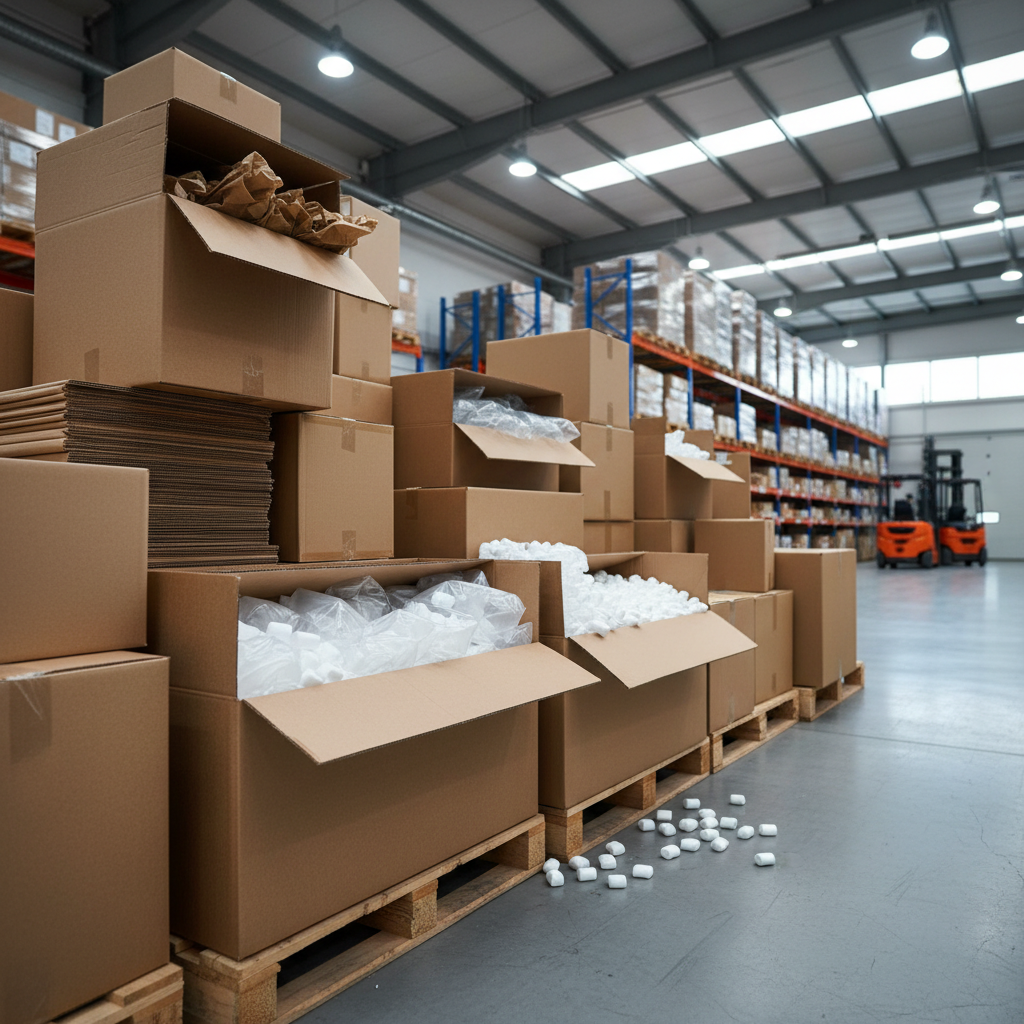
* Prevent Movement: If your product can move within the box, it will hit the sides, corners, or other items. Void fill like kraft paper, air pillows, or foam peanuts can prevent this.
* Absorb Shock: For fragile items, cushioning is key. Bubble wrap, foam inserts, or custom-engineered pads protect against impacts and vibrations. The type of cushioning needed depends on the product's fragility, weight, and the anticipated handling. Heavy, delicate items might require dense foam, while lighter, less fragile items could be fine with air pillows.
3. Securing Your Shipment: Tapes and Strapping
Often overlooked, the way you seal your packages is just as important as what's inside. High-quality packaging tape, applied correctly, ensures your box stays closed and provides an additional layer of structural integrity. For heavier boxes or palletized shipments, strapping can add crucial stability, preventing boxes from bursting open or shifting during transit. Don't compromise on tape quality; a roll of cheap tape might save a few pennies upfront but can cost you dollars in damaged goods.
Testing and Continuous Improvement
Once you’ve optimized your packaging, don't stop there. The best packaging strategies are dynamic.
* Conduct Drop Tests: Simulate real-world shipping conditions. Drop packages from various heights and angles to see how your product and packaging hold up.
* Monitor Returns Data: Track the reasons for returns. Is there a pattern in the type of damage? Is it always the same product or the same part of the product? This data is invaluable for pinpointing weaknesses in your packaging.
* Customer Feedback: Engage with your customers. Did the package arrive securely? Was it easy to open? Their perspective can offer unique insights.
By continually evaluating and refining your packaging, you move from reacting to damage to proactively preventing it.
At Country Innovation & Supply, we understand these challenges because we work with manufacturers and distributors like you every day. We offer a wide range of packaging materials designed to meet the rigorous demands of industrial shipping. From robust corrugated boxes to a variety of void fillers and protective cushioning, our team is ready to help you find the right solutions to protect your products and your bottom line. We stock U.S. inventory and have real humans on the phone ready to help, not bots. If you're looking to optimize your packaging strategy and reduce transit damage, check out our selection of packaging materials.
What’s one packaging challenge you’ve successfully overcome in your operations, and what was your secret?