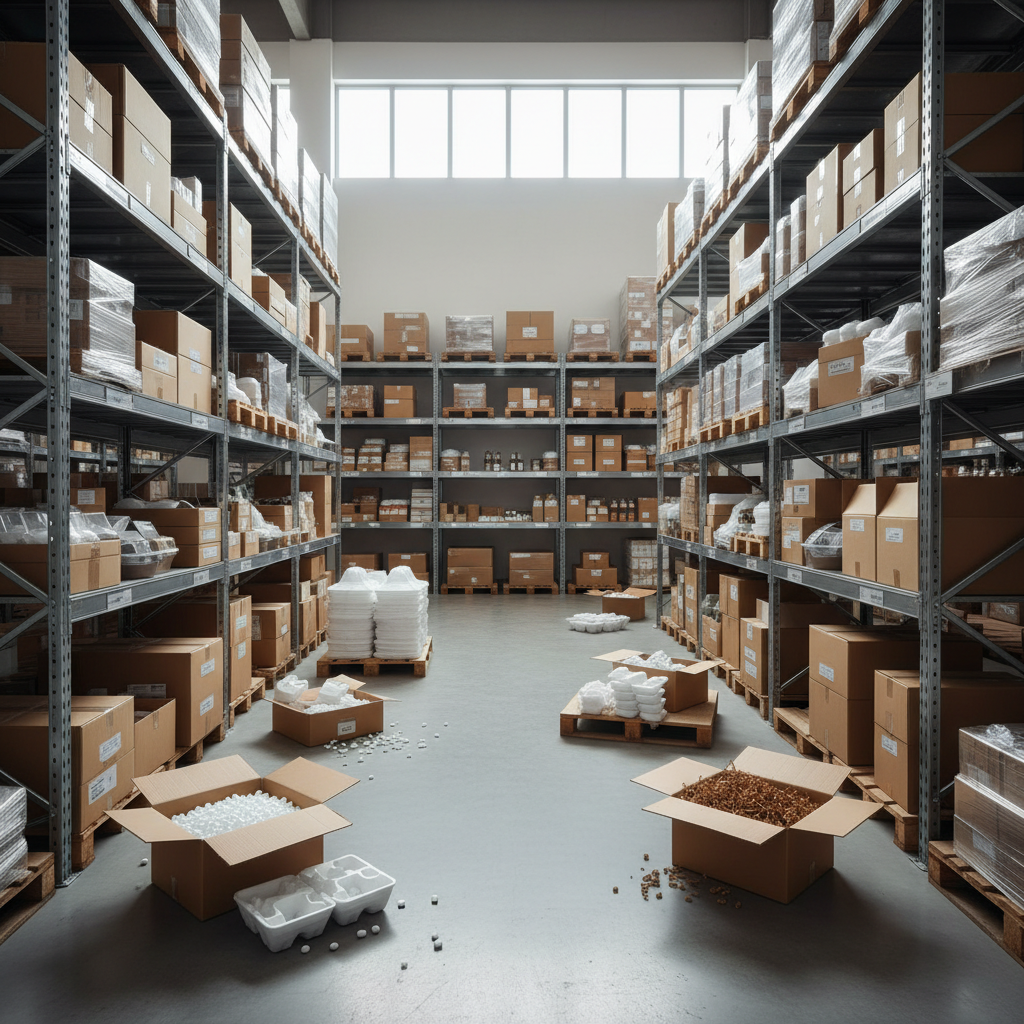
For many manufacturing and distribution operations, protective packaging often feels like a necessary evil, a line item expense that simply exists to get products from point A to point B without damage. But if you're only looking at the material cost of your void fill, bubble wrap, or foam, you're missing a significant piece of the puzzle. The true cost of protective packaging goes far beyond the material itself, impacting everything from your bottom line to your customer's experience.
The Hidden Costs of Ineffective Packaging
When protective packaging fails, the financial ripple effects can be substantial and, often, surprising. It's not just the cost of replacing a damaged product. Consider these often-overlooked expenses:
* Returns and Rework: A damaged product leads to customer returns. This isn't just a loss of the original sale; it involves the cost of processing the return, shipping the item back, inspecting it, and either repairing, repacking, or scrapping it. Each step adds labor, material, and administrative overhead.
* Freight and Logistics Reversals: Sending a package back and then shipping a replacement means paying for freight twice, sometimes three or four times, for a single order. These charges add up quickly, especially with larger or heavier items.
* Labor for Handling Damage: When a customer receives a damaged product, it triggers a chain of internal actions. Customer service agents spend time on calls, warehouse staff handle returns, and quality control might investigate the issue. This diverts valuable labor resources from productive tasks.
* Expedited Shipping for Replacements: To appease an unhappy customer, you might often expedite the replacement shipment, incurring higher shipping costs than the original order.
* Reputational Damage: This is harder to quantify but can be the most damaging. Consistent issues with damaged goods erode customer trust, leading to lost future sales and negative reviews that can deter new business.
The Operational Drain of Inefficient Packaging
Beyond the direct financial hits, suboptimal packaging can also be a silent killer of efficiency on your packing line.
* Slower Packing Times: If packers are wrestling with ill-fitting materials, trying to make standard sizes work for irregular products, or having to use excessive amounts of void fill, it slows down the entire process. Every extra second spent per package adds up over thousands of shipments.
* Excessive Material Usage: Using too much material to adequately protect a product not only increases your direct packaging costs but also adds to the weight and dimensions of the package, potentially increasing shipping costs. It also generates more waste, which can have its own disposal costs.
* Increased Storage Space: Holding an excessive variety of protective packaging materials, or bulky, inefficient options, consumes valuable warehouse space that could be used for products.
* Damage at the Packing Station: Sometimes, products get damaged *before* they even leave the warehouse, simply because the packaging process itself is not optimized for careful handling or proper protection during assembly.
Optimizing for Protection and Efficiency
The good news is that many of these costs and inefficiencies can be mitigated, if not eliminated, by a strategic approach to protective packaging. It starts with understanding your products, your shipping environment, and your operational workflows.
* Right-Sized Solutions: One of the most effective ways to reduce waste and improve protection is by using packaging that is appropriately sized for your product. Custom-sized inserts, pads, or even specific void fill dispensers can make a big difference. This means less wasted material and a more secure fit, reducing movement and potential damage.
* Material Selection: While there are many types of protective packaging (bubble wrap, foam, air pillows, paper void fill, edge protectors), the best solution isn't always the cheapest per unit. The best solution is the one that provides adequate protection for your specific product's fragility and weight, while also being efficient for your packing team to use.
* Ergonomics and Workflow: Consider how your packaging materials are presented to your packers. Are they easily accessible? Is the packing station designed to facilitate quick and accurate packing? Small improvements in workflow can lead to significant gains in throughput.
* Testing and Evaluation: Don't guess. Regularly test your packaging with real-world shipping simulations or by closely tracking damage rates. This data is invaluable for making informed decisions about adjustments.
Finding the Right Partner
Navigating the complexities of protective packaging doesn't have to be a solo mission. Working with a supplier who understands your operational challenges and can offer practical, human-first solutions can make a world of difference. We focus on providing high-quality, practical packaging materials that help you minimize damage, boost efficiency, and keep your costs in check. We have a variety of packaging materials, ready for fast delivery.
Visit our Packaging Materials page to explore options that can help streamline your operations and protect your bottom line.
What's the biggest packaging-related headache your team has faced recently?