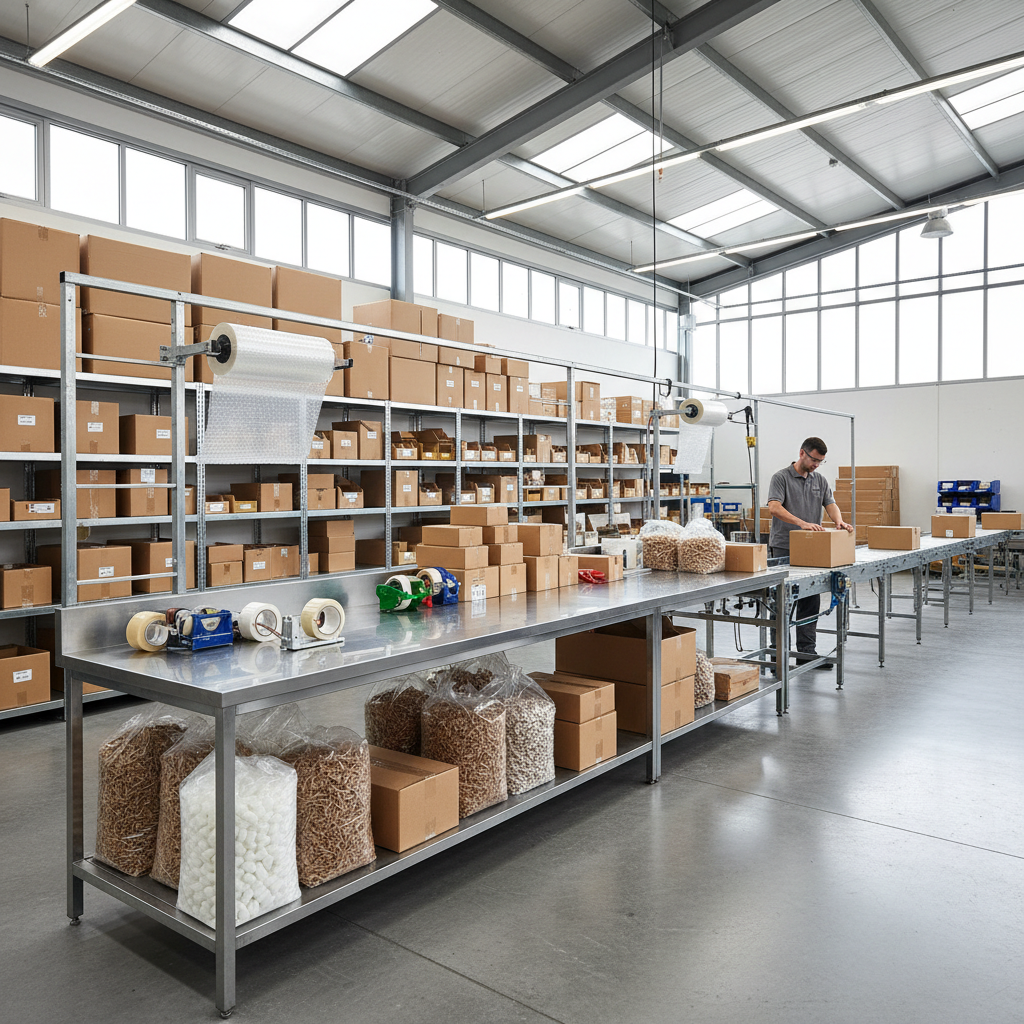
For anyone leading shipping, fulfillment, or packaging engineering, you know the drill: every day is a balancing act. On one side, you're tasked with getting products to their destination safely and without damage. On the other, you're constantly looking for ways to cut costs, boost efficiency, and keep the operation running smoothly. When it comes to packaging, these two goals often seem to be at odds. How do you protect your products adequately without overspending on materials or incurring higher shipping fees?
This isn't a new challenge, but with rising material costs and shipping carrier complexities, it's more critical than ever to get packaging right. Let's dig into some practical ways to optimize your industrial packaging strategy.
Understanding the Double-Edged Sword of Packaging Costs
Packaging costs aren't just about the price of a box or a roll of tape. They're a blend of several factors:
* Material Costs: This is the most obvious. The type, size, and quantity of corrugated boxes, void fill, stretch wrap, and other materials directly impact your budget. Using too much or the wrong kind can quickly add up.
* Labor Costs: How long does it take your team to pack an item? Overly complex packaging, or packaging that requires excessive steps, can eat into labor efficiency.
* Shipping Costs: This is a big one. Carriers use dimensional weight calculations, meaning the size of your package often matters as much as, or even more than, its actual weight. Oversized packaging can significantly inflate your shipping bill.
* Damage Costs: If your packaging fails, you face returns, re-shipments, and damaged goods. The cost of replacing a product and handling a return almost always outweighs the cost of better initial packaging.
The trick is finding the sweet spot where you minimize material and shipping expenses without compromising product integrity or slowing down your packing process.
Right-Sizing: More Than Just a Smaller Box
One of the most impactful ways to reduce packaging costs is through right-sizing. This means ensuring your package is no larger than it needs to be to protect the product.
* Impact on Dimensional Weight: Every inch counts. If you're shipping air, you're paying for it. Review your product lines and see where you might be using standard boxes that are significantly larger than the item itself. Sometimes, a custom box or even a slightly different size from your existing inventory can make a huge difference in dimensional weight calculations.
* Reducing Void Fill: A smaller box naturally means less void fill material (peanuts, paper, air pillows) is needed. This directly reduces material costs and often leads to faster packing times.
* Consolidating SKUs: Can you consolidate some of your box sizes? While custom sizes can save on dimensional weight, having too many box SKUs can complicate inventory management and purchasing. Sometimes, a slightly larger standard box might be more cost-effective overall if it reduces the number of unique box types you need to stock.
It’s about striking a balance. Don't sacrifice protection for a smaller box, but don't pay to ship empty space either.
Material Selection: Not All Protection Is Created Equal
The type of packaging material you choose plays a huge role in both protection and cost.
* Corrugated vs. Other Options: Corrugated cardboard is a workhorse, but is it always the best option? For some products, a padded mailer, poly bag, or even a different flute strength of corrugated might be more appropriate and cost-effective.
* Protective Packaging: Bubble wrap, foam, and various void fill options each have their strengths. Consider the fragility of your item, its shape, and how it will be handled during transit. Sometimes, a well-designed foam insert can provide superior protection with less material than a box full of loose-fill peanuts.
* Sustainability Considerations: While not always a direct cost saving, sustainable packaging choices (like recycled content or recyclable materials) are increasingly important for brand image and can sometimes lead to material innovations that also offer cost efficiencies.
Regularly review your product lines and their associated packaging. Are you using heavy-duty boxes for lightweight items? Are you over-packaging items that could be protected with less material?
The Role of Automation and Ergonomics
While not strictly about materials, how you pack your products directly influences cost and efficiency.
* Packing Station Design: An organized, ergonomic packing station can significantly speed up the process and reduce errors. Ensure materials are easily accessible and that the workflow is logical.
* Automated Solutions: For high-volume operations, automation in packaging, such as automatic case erectors, sealers, or void-fill dispensers, can lead to substantial labor savings and more consistent packaging. Even semi-automated tools, like tape dispensers or stretch wrappers, can make a difference.
* Training: Proper training for your packing team ensures they use the right amount of material, pack consistently, and understand the impact of their choices on shipping costs and product safety.
Investing in your packing process is an investment in efficiency and cost reduction across the board.
Optimizing industrial packaging isn't a one-time task; it's an ongoing process of evaluation and adjustment. By carefully considering material costs, shipping fees, labor efficiency, and product protection, you can develop a packaging strategy that benefits your bottom line and keeps your customers happy.
Ready to explore options for more efficient and protective packaging materials? Check out our selection of packaging materials and supplies.
What’s one change you're considering for your packaging operations to improve efficiency?