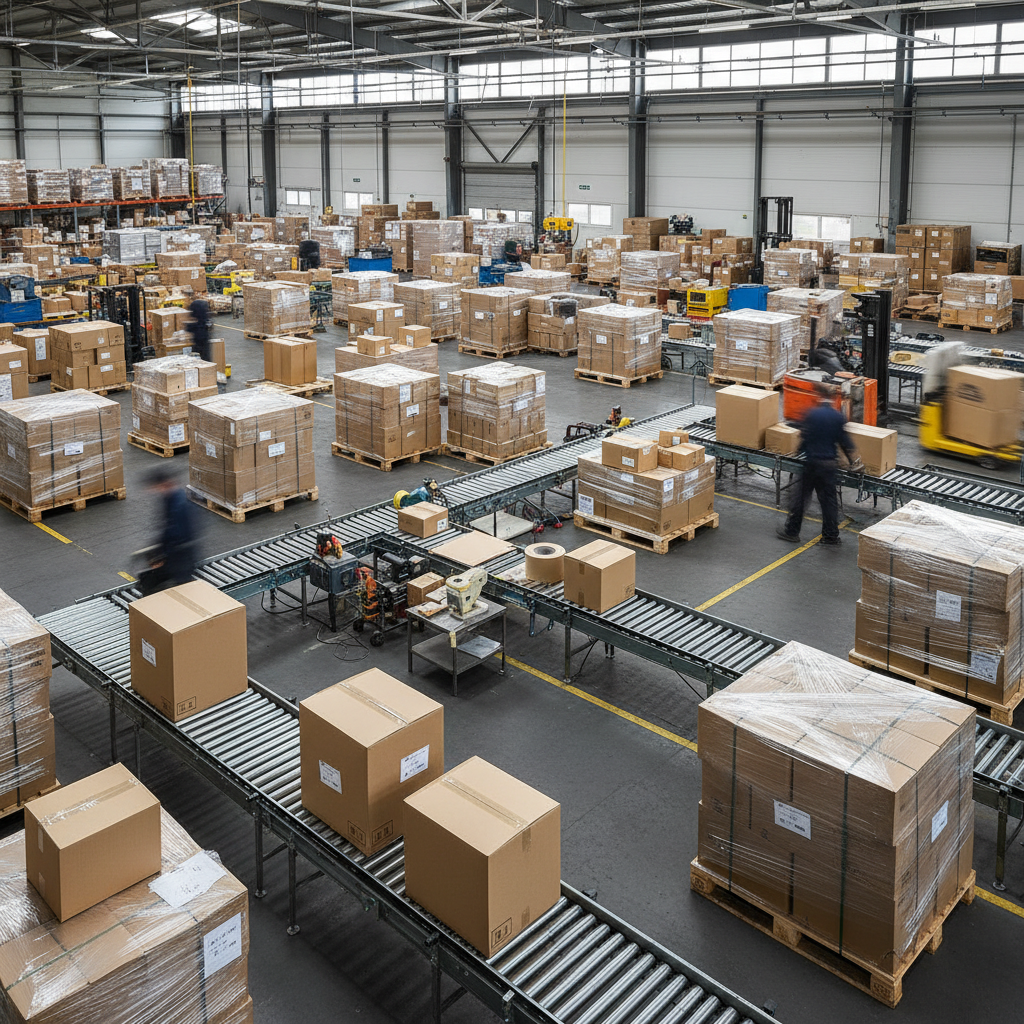
In the world of manufacturing and distribution, every cubic inch and every pound counts. Yet, we often see companies paying extra to ship empty space, whether it's an oversized box or inefficient stretch wrap. This "shipping air" isn't just a waste of materials, it directly impacts your bottom line through dimensional weight pricing, increased freight costs, and unnecessary material spend. For shipping, fulfillment, and packaging engineering leads, finding efficiencies here is a constant challenge and a significant opportunity.
The Cost of Shipping Air: Dimensional Weight and Freight
Dimensional (DIM) weight pricing is a reality for most carriers. They don't just charge by how much your package weighs, but also by how much space it takes up. If your box is half-empty, you're essentially paying for the air inside. This isn't just about the occasional mis-sized package, but a systemic issue that can inflate freight bills significantly across thousands of shipments. Imagine a product that truly only weighs 10 pounds, but because it's in a 24x24x24 inch box, it's billed at 30 pounds DIM weight. That's a huge difference.
Right-sizing your packaging is the first, most impactful step. This might mean exploring a wider range of box sizes or even custom-sized packaging for your most frequently shipped items. It's about matching the container to the contents as closely as possible. The goal is to reduce the volume of empty space, thereby reducing your billable DIM weight and, ultimately, your shipping costs. This isn't always easy, especially with diverse product lines, but the savings can be substantial.
Beyond the Box: Optimizing Stretch Wrap and Other Materials
While boxes get a lot of attention, other packaging materials also play a crucial role in cost and efficiency. Stretch wrap, for instance, isn't just about holding things together. The type, gauge, and application method of your stretch film can dramatically affect both protection and cost.
Many operations simply use the same stretch wrap for every pallet, without considering the specific load requirements. Are you using a heavy-gauge film for a light, stable load? Are you getting too much stretch, or not enough? Poorly optimized stretch wrap can lead to:
* Excessive material use: Wasting film means higher costs and more waste.
* Load instability: If the film isn't applied correctly or isn't the right type, products can shift, leading to damage.
* Increased labor: Inefficient wrapping can slow down your operations.
Understanding the balance between film cost per pound, film type, and its impact on line speed, energy use (for some shrink applications), and potential reworks is key. Sometimes a slightly more expensive film that applies better or offers more strength at a lower gauge can actually reduce your total packaging cost. It is not just the sticker price, it is the total cost of ownership.
The True Cost of Packaging: More Than Just Material Price
When evaluating your packaging strategy, it's vital to look beyond the unit price of individual items. The true cost of packaging includes:
* Material acquisition cost: The price you pay for boxes, tape, film, void fill, etc.
* Freight and storage: The cost to bring these materials into your facility and store them. Larger or excessive packaging takes up more warehouse space.
* Labor: The time and effort involved in packing, wrapping, and handling.
* Equipment costs: Investment in packaging machinery, whether it's a box erector or a stretch wrapper.
* Damage rates: Products damaged in transit due to inadequate or inappropriate packaging.
* Returns and rework: The cost associated with damaged goods, customer dissatisfaction, and having to re-ship.
* Dimensional weight charges: As discussed, paying for air adds up quickly.
A holistic view allows you to identify areas where an initial investment, like a different box size or a higher-quality stretch film, can lead to significant savings down the line by reducing freight costs, improving throughput, and minimizing damage.
A Human-First Approach to Your Packaging Needs
Navigating the complexities of packaging optimization can feel overwhelming. There are countless options for boxes, tapes, stretch films, and void fill materials, each with their own specifications and implications. That's where working with a responsive, knowledgeable partner makes a real difference. You need someone who understands your operations, asks the right questions, and can help you identify practical solutions, not just sell you a product.
At CIS, we believe in a human-first approach. We keep a robust stock of industrial packaging materials right here in the U.S., meaning less waiting and quicker solutions for you. Whether you need standard corrugated boxes, specialty tapes, or a deeper dive into your stretch wrap application, we are here to help you find the right balance of protection, efficiency, and cost savings.
Ready to stop shipping air and start optimizing your packaging? Explore our wide range of packaging materials and connect with a real human who can help you tailor solutions for your specific needs. Visit our packaging materials page to learn more.
What hidden costs might you uncover by taking a closer look at your current packaging processes?