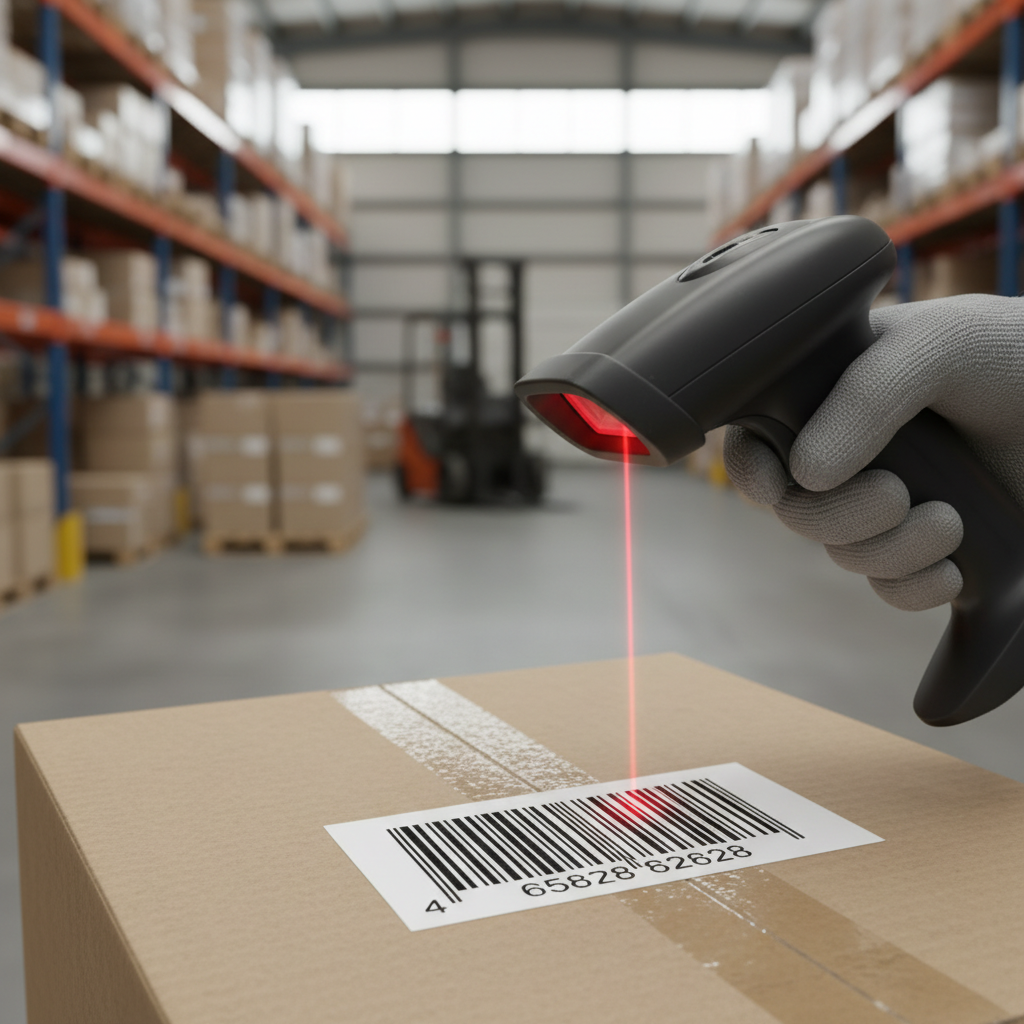
Shipping products to big-box retailers means playing by their rules, and when it comes to labeling, those rules are strict. For retail operations, vendor compliance managers, and shipping supervisors, ensuring your shipments arrive with perfect GS1-128 labels isn't just about good practice, it's about protecting your bottom line. An incorrect or unreadable label can trigger expensive chargebacks, disrupt supply chains, and damage your relationship with key retail partners.
The good news is that preventing these issues often comes down to one critical step before your freight even leaves the loading dock: diligent label verification. It's the difference between a smooth delivery and a costly headache.
The High Stakes of GS1-128 Compliance
Big-box retailers rely heavily on standardized GS1-128 barcodes, often called UCC-128 in older terminology, to efficiently track and manage inventory. These labels are more than just a barcode; they contain a wealth of information about the product, quantity, lot number, and sometimes even expiration dates, all encoded in a specific, machine-readable format.
When a label doesn't meet the retailer's exact specifications, it creates a ripple effect. Their automated systems can't process the shipment, leading to manual intervention, delays, and inevitably, chargebacks. These penalties aren't just minor fees; they can quickly add up, eating into your profit margins and sometimes even exceeding the value of the goods themselves. We've seen businesses struggle with repeated compliance failures, simply because their labels weren't consistently verified.
What Does GS1-128 Label Verification Really Mean?
Verification goes beyond just making sure a barcode prints. It’s a structured process to confirm three key elements before a shipment leaves your warehouse:
- Readability: Can the barcode scanner actually read the label? This involves checking print quality, contrast, and avoiding smudges or wrinkles that might obscure the data. Even a seemingly perfect label can fail if the print quality is poor.
- Conformance to GS1 Structure: Does the label follow the specific GS1-128 symbology and data structure? This includes the correct use of Application Identifiers (AIs) and proper placement of human-readable text. Retailers often have unique requirements for how this data is presented.
- Data Accuracy: Is the information encoded in the barcode correct and does it match your advanced shipping notice (ASN) and the physical goods? An incorrect GTIN, quantity, or serial number is just as problematic as an unreadable barcode. For example, a common issue is when the SSCC (Serial Shipping Container Code) on the label doesn't match the SSCC transmitted in the ASN.
By systematically checking these points, you significantly reduce the risk of compliance issues down the line.
Setting Up an Effective Verification Workflow
Implementing a robust label verification process doesn't have to be overly complex, but it does require attention to detail.
* Educate Your Team: Ensure everyone involved in labeling and shipping, from the production line to the loading dock, understands the importance of GS1-128 compliance and the specific requirements of your retail partners. Ongoing training is key.
* Invest in Quality Control Tools: Handheld barcode verifiers can instantly assess print quality and data structure, flagging issues before they leave the building. Some systems even integrate with your WMS or ERP to automate checks against your shipping data.
* Establish Clear Protocols: Define a step-by-step verification process. Who is responsible for checking labels? At what point in the packaging and shipping process does verification occur? What happens if a label fails verification? Having clear answers to these questions prevents confusion and ensures consistency.
* Regularly Review Retailer Guidelines: Retailer compliance guidelines can change. Designate someone to stay updated on the latest requirements from your major partners to ensure your processes remain current. What was compliant last year might not be today.
Beyond Verification: The Right Label for the Job
Of course, verification is only as good as the labels you're using. Starting with high-quality, durable labels designed for your specific printing method and environment is foundational.
If your labels aren't printing clearly, are prone to smudging, or just aren't holding up through the supply chain, verification becomes a constant battle. Often, a switch to a more robust label material or a different thermal ribbon can solve many persistent print quality problems. For example, a thermal transfer label with a wax-resin ribbon offers much more durability against scrapes and moisture than a direct thermal label.
At Country Innovation & Supply, we understand these challenges. We’ve been helping manufacturers and distributors navigate the complexities of industrial labeling for years. Whether you need custom thermal labels, durable warehouse rack signage, or the right thermal ribbons to ensure crisp, scannable barcodes, we have options ready to ship. Our team is here to talk through your specific needs and help you find the right label material, adhesive, and ribbon combination for consistent, compliant printing.
For reliable, high-quality labels that stand up to the demands of your supply chain, explore our range of options at https://innovationandsupply.com/products/industrial-labels.
What's one persistent label issue that causes headaches in your shipping department?
Need barcode labels printed for you? See printed Amazon FNSKU and UPC label rolls.