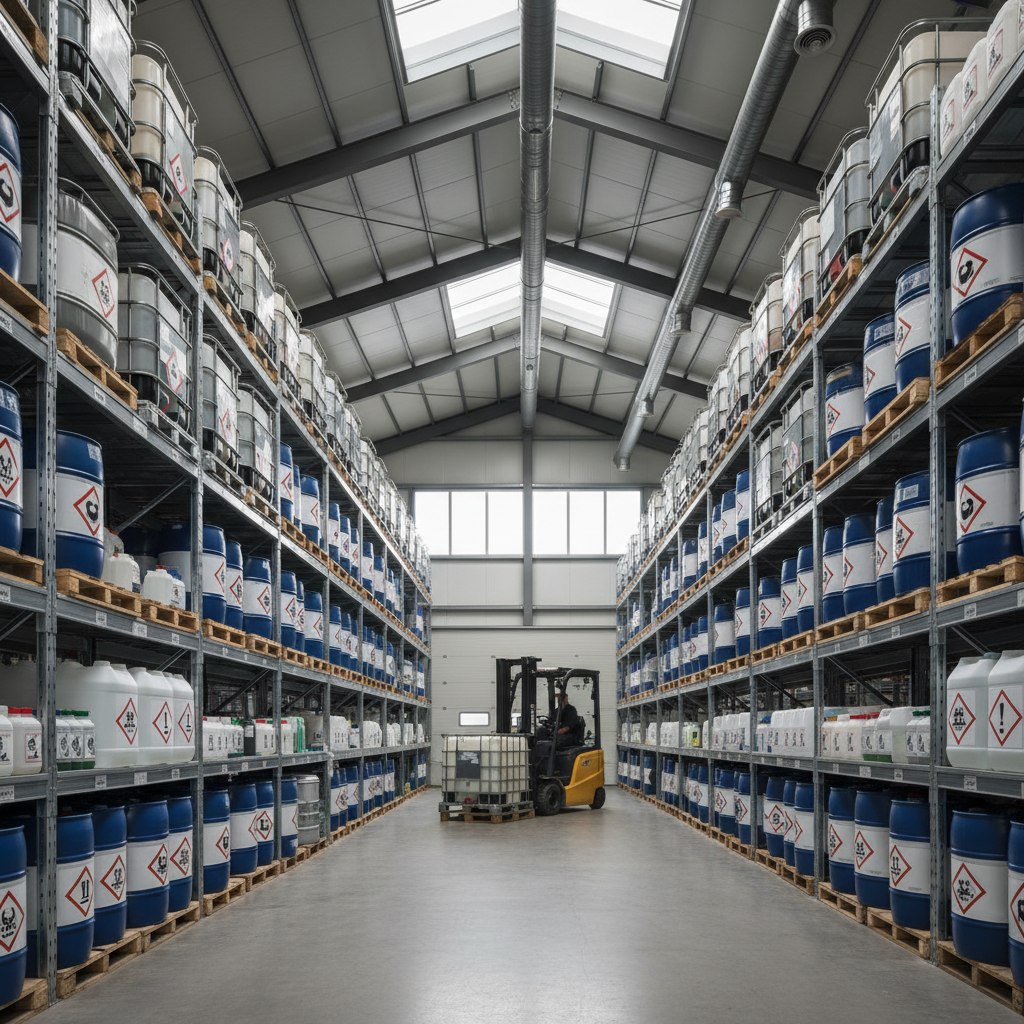
For plant managers, label buyers, and operations leads in manufacturing and distribution, staying on top of labeling regulations can feel like a moving target. Especially when it comes to hazardous chemicals, compliance isn't just about avoiding fines, it's about protecting your team and ensuring smooth operations. Lately, the big conversation has been around OSHA's updates to the Globally Harmonized System of Classification and Labelling of Chemicals (GHS), specifically Revision 7.
These changes are significant and come with clear deadlines. If you're handling chemicals, understanding GHS Revision 7 and how it impacts your labels is crucial. Let's break down what you need to know, why it matters, and how to make sure your labeling strategy is up to snuff.
What is GHS, and Why is It Changing?
The GHS (Globally Harmonized System) is an international standard designed to ensure consistent communication of chemical hazards across the globe. Think of it as a universal language for safety data sheets and labels. OSHA adopted GHS in 2012, aligning with GHS Revision 3. Now, they've updated it to align with GHS Revision 7.
The primary goal remains the same: to improve safety, help prevent injuries and illnesses, and ensure that anyone handling chemicals can quickly understand the potential risks. These updates often refine hazard classifications and communication elements, aiming for even greater clarity and consistency. For your operations, this means refreshing your understanding of label components and possibly updating your current label stock and internal procedures.
Key Elements of a GHS Label
Every GHS-compliant label must include several specific elements to effectively communicate hazards. Missing or incorrect information can lead to compliance issues and, more importantly, put your employees at risk. Here's a quick refresher on what needs to be there:
* Product Identifier: The chemical name or exact product name.
* Signal Word: Either "Danger" (for more severe hazards) or "Warning" (for less severe hazards) to indicate the relative level of severity of the hazard.
* Hazard Statements: Phrases that describe the nature of the hazard, for example, "highly flammable liquid and vapor."
* Pictograms: Standardized graphical symbols with a red border that convey specific hazard information (e.g., flame for flammables, skull and crossbones for acute toxicity). There are nine standard pictograms.
* Precautionary Statements: Phrases that describe recommended measures to minimize or prevent adverse effects from exposure or improper handling (e.g., "wear protective gloves").
* Supplier Information: The name, address, and telephone number of the chemical manufacturer, importer, or other responsible party.
Ensuring every label contains these elements, and that they are accurate according to the latest GHS Revision 7 classifications, is a critical step in managing your chemical inventory safely.
Navigating the OSHA Revision 7 Deadlines
The final rule for OSHA's GHS Revision 7 was published in May 2024, taking effect in July 2024. While the rule itself is active, there are compliance deadlines for various industries. For manufacturers and importers, there's a deadline of January 19, 2026, to ensure their labels and safety data sheets are compliant with the new standard for chemicals produced or imported into the US. Distributors have until July 19, 2027, to ensure products they ship have GHS Revision 7 compliant labels.
For plant operations that use chemicals, it means you need to be aware that the labels on incoming chemicals will transition over time. You should also ensure your internal labeling of secondary containers (like drums, spray bottles, or smaller containers filled from a larger source) is updated to reflect GHS Revision 7 where applicable. This often means reviewing your current internal labeling practices and ensuring your label stock and printing capabilities can handle the requirements.
Your Labeling Strategy: Beyond Compliance
While compliance is non-negotiable, a smart labeling strategy does more than just meet regulations. It actively contributes to a safer, more efficient workplace.
Think about the material your labels are printed on. If you're labeling drums of chemicals, the label needs to withstand spills, extreme temperatures, and general wear and tear without becoming illegible. For cold storage or freezer environments, you need labels that apply and adhere reliably in low temperatures. This is where durable, high-quality thermal transfer labels often come into play. They stand up to harsh conditions, ensuring your critical GHS information remains visible and scannable.
Consider how your labels are produced. Do you purchase pre-printed labels, or do you print them on demand? For facilities with a wide variety of chemicals, or those that receive chemicals in bulk and transfer them, on-demand printing with industrial thermal printers offers flexibility. This allows you to print the precise GHS label you need, when you need it, avoiding issues with outdated or incorrect pre-printed stock.
At Country Innovation & Supply, we understand these challenges. We provide a range of labeling solutions designed for the rigors of manufacturing and distribution environments. Our stock thermal transfer labels, for example, are a reliable choice for everything from chemical drums to inventory bins, offering durability and clarity for critical information like GHS pictograms and text.
Staying proactive with your labeling strategy can save you headaches, prevent accidents, and keep your operations running smoothly. Make sure your labels are not just compliant, but robust enough to perform in your specific environment.
What’s one chemical labeling challenge you’ve faced in your operations recently?